Are Electric Screwdrivers Actually Worth Buying? What the Specs Don't Tell You
Choosing an electric screwdriver starts with battery chemistry and voltage design. The market splits cleanly into two distinct hardware classes: internal 4V cell sticks and modular 12V trade tools.
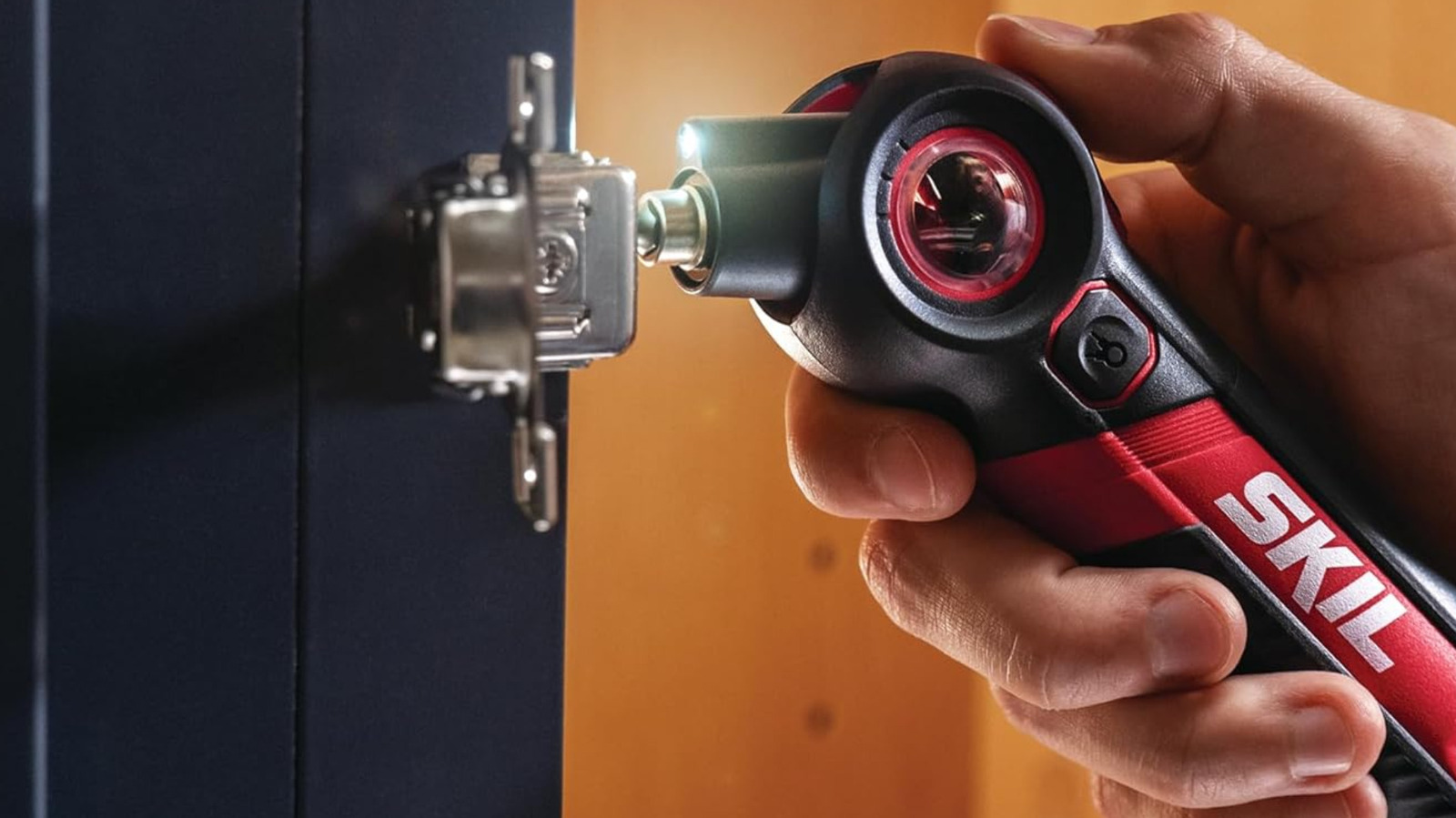
Handheld 3.6V to 4V screwdrivers use a single, sealed 18650 or 21700 rechargeable lithium-ion battery. These tools weigh around 0.6 to 1.2 pounds, recharge via USB-C, and slip into an apron pocket. They generate between 3 Nm and 6 Nm of torque. This makes them ideal furniture assembly tools and perfect for switch plates, hinge adjustments, and light repairs. Their primary weakness is serviceability; once the internal cell degrades after several hundred charge cycles, the entire tool is e-waste.
The 12V tier represents true shop gear. As highlighted by Yahoo News Singapore in their recent hardware roundup, the Milwaukee M12 hex screwdriver sits as the benchmark for heavy-duty power in this space, using a swappable 12-volt battery pack to deliver professional-grade fastening. These tools produce anywhere from 15 Nm to over 30 Nm of torque. They feature physical two-speed transmissions and mechanical clutches with over a dozen distinct click-stops.
| Hardware Class | Working Voltage | Typical Torque Output | Average Tool Weight |
|---|---|---|---|
| Inline Precision Pen | 3.6V, 3.7V | 0.2, 0.5 Nm | 0.15, 0.35 lbs |
| Compact Household Pistol | 3.6V, 4.0V | 3.0, 6.0 Nm | 0.70, 1.20 lbs |
| Professional Subcompact | 10.8V, 12.0V | 15.0, 34.0 Nm | 1.80, 2.40 lbs |
The trade-off is bulk. A 12V driver feels massive inside a tight drawer or computer chassis. If you only adjust cabinet pulls twice a year, a 12V kit is overkill. If you plan to rebuild a backyard deck or bore holes through timber, buy a dedicated drill instead.