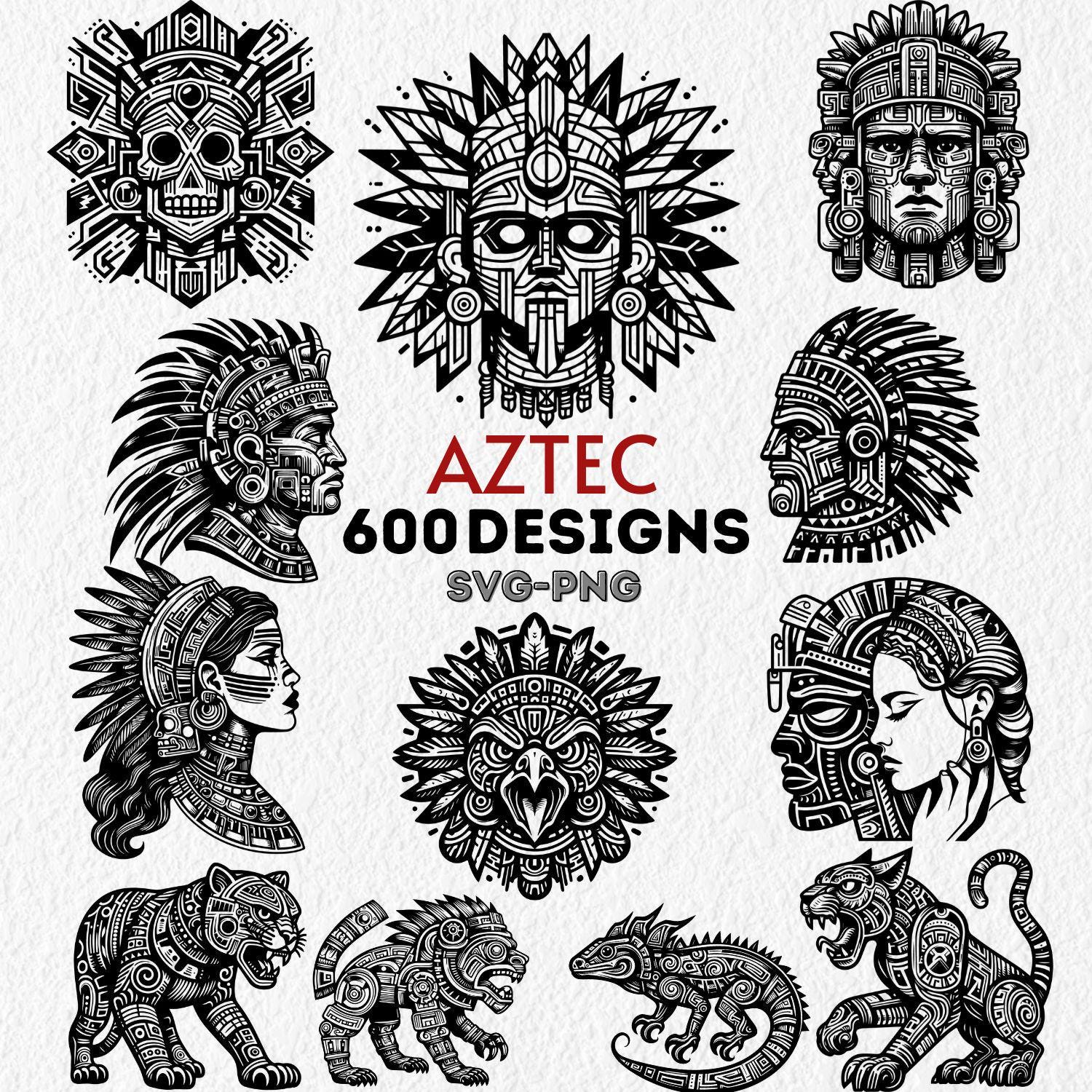
Aztec Tattoo Designs Fact-Check: Separating Ancient Mesoamerican History from Pop Culture Myths
No design appears more frequently on skin than the round stone face framed by rings of glyphs. Most clients ask for the "Aztec calendar" expecting an ancient horoscope. Archaeologists hold an entirely different view.
Discovered beneath Mexico City's Zócalo in 1790, the Piedra del Sol weighs over 54,000 pounds. It is not a desktop day-planner. The central face depicts either the solar deity Tonatiuh or the earth monster Tlaltecuhtli clutching human hearts with obsidian claws. The surrounding rings chronicle the four previous cosmic epochs, Jaguar, Wind, Rain, and Water, each of which ended in total extinction. The stone was a cosmic platform tied directly to sacred sacrificial symbolism, designed to guarantee that the current era, the Sun of Movement, would not collapse into darkness. Translating this apocalyptic stone onto biceps is visually arresting, but calling it a calendar misses its original gravity.