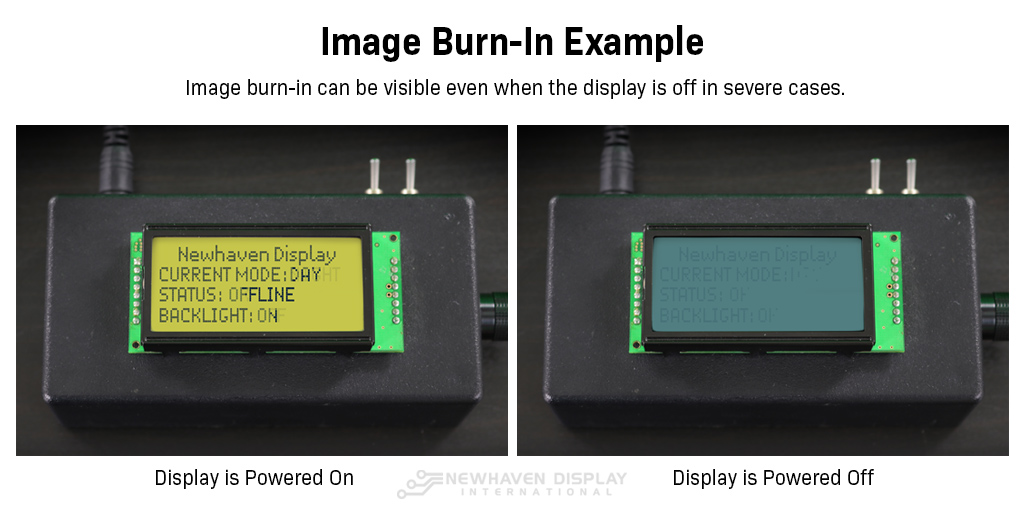
Can Lcd Screens Actually Burn in? the Shocking Truth Behind Ghost Images
While the liquid crystal matrix rarely succumbs to permanent physical death, the lighting mechanism behind it faces distinct mechanical aging. Consumers regularly diagnose edge-lit backlight degradation as screen burn-in when their monitors develop dull edges, darkened corners, or yellowed color casts after several years of operation.
White LED backlights utilize blue gallium nitride emitters coated with yellow phosphors. Over 30,000 to 50,000 hours of continuous high-heat operation, these phosphors oxidize, gradually shifting color temperatures toward a dingy yellow or stark, cold blue. Furthermore, acrylic light guide plates inside edge-lit displays can warp under sustained thermal loads, creating blotchy, uneven luminance pools across the lower frame.
Because these backlight defects track physical heat zones rather than application boundaries, their irregular shapes confuse users. If your panel displays broad, blurry discoloration bands across the lower bezel rather than sharp outlines of application interfaces, the culprit is deteriorating illumination hardware rather than trapped crystal voltage.