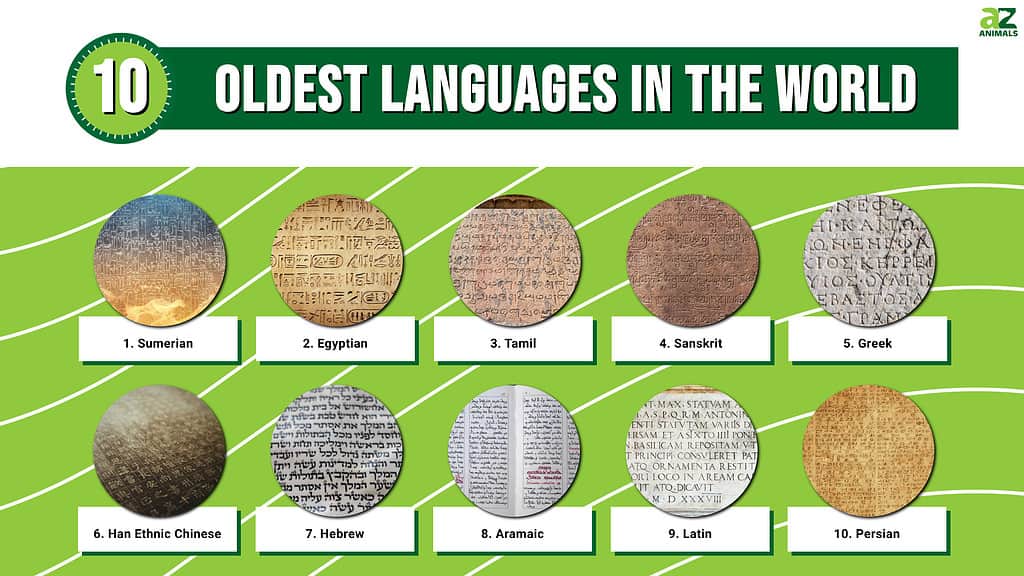
Carved in Stone: the Oldest Written Languages Ever Discovered by Archaeologists
A script cannot definitively settle historical debates if modern scholars cannot read it. Across the floodplains of modern Pakistan and northwest India, the Harappan civilization produced thousands of miniature steatite stamp seals between 2600 and 1900 BCE. Known as the Indus valley script, these artifacts showcase carved bulls, unicorns, and seated figures flanked by crisp, uniform symbols.
More than a century after their discovery, the Indus inscriptions remain an unsolved puzzle. The average inscription length is merely five signs, with the longest known text containing just 34 symbols on a single surface. Statistical physicists argue the sequences carry the syntactic entropy of real language, possibly an ancestral Dravidian tongue. Skeptics claim the signs functioned purely as non-linguistic merchant family emblems, religious heraldry, or trade guild insignia. Without a multilingual translation key like the Rosetta Stone, the voice of the Indus civilization remains silent.
A similar roadblock long challenged researchers studying Proto-Elamite tablets in Iran. Dating to 3100 BCE, these tablets were inscribed at Susa concurrently with early Mesopotamian tablets. While the numerical and accounting structures were cracked early on, the linguistic identity of the underlying language stayed obscure. When scripts fail to yield their spoken sounds, archaeologists cannot determine which specific human language was recorded, leaving Sumerian and Egyptian as the earliest fully readable systems.