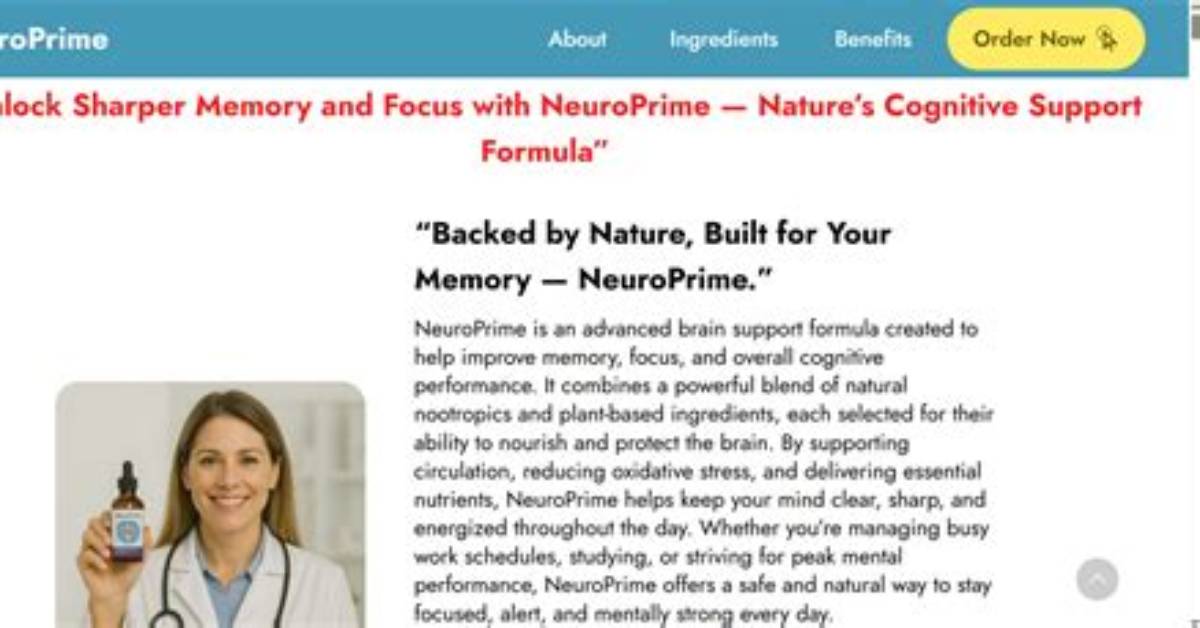
Dissecting the 'Neuro Honey' Ads: Red Flags and Fabricated Ai Endorsements
Promoters often point to culinary and Ayurvedic staples to give their claims an air of ancient credibility. The typical formula contains raw clover or Manuka honey mixed with powdered turmeric (curcumin), lion’s mane mushroom powder, ginkgo biloba, rosemary extract, and ground cinnamon. While these botanicals have seen plenty of laboratory testing, their therapeutic value has been wildly distorted by marketing copy.
Raw honey possesses natural antibacterial, antioxidant, and anti-inflammatory attributes. Research into curcumin indicates it has mild neuroprotective potential in controlled rodent models. Lion's mane mushroom contains hericenones and erinacines, compounds investigated for their theoretical ability to stimulate Nerve Growth Factor (NGF) in laboratory settings. Crucially, none of these findings demonstrate that ingesting a honey mixture can break down amyloid-beta plaques, dismantle neurofibrillary tau tangles, or revive dead brain cells in humans.
The core scientific issue is bioavailability. Curcumin, for instance, passes through the human digestive tract without reaching systemic circulation in meaningful amounts unless specifically formulated with lipid carriers or piperine. Raw honey contains sugars, primarily fructose and glucose, that cause rapid insulin spikes if consumed in large quantities. For older adults, particularly those navigating type 2 diabetes alongside vascular dementia, consuming high daily doses of concentrated honey concoctions carries direct metabolic risks.