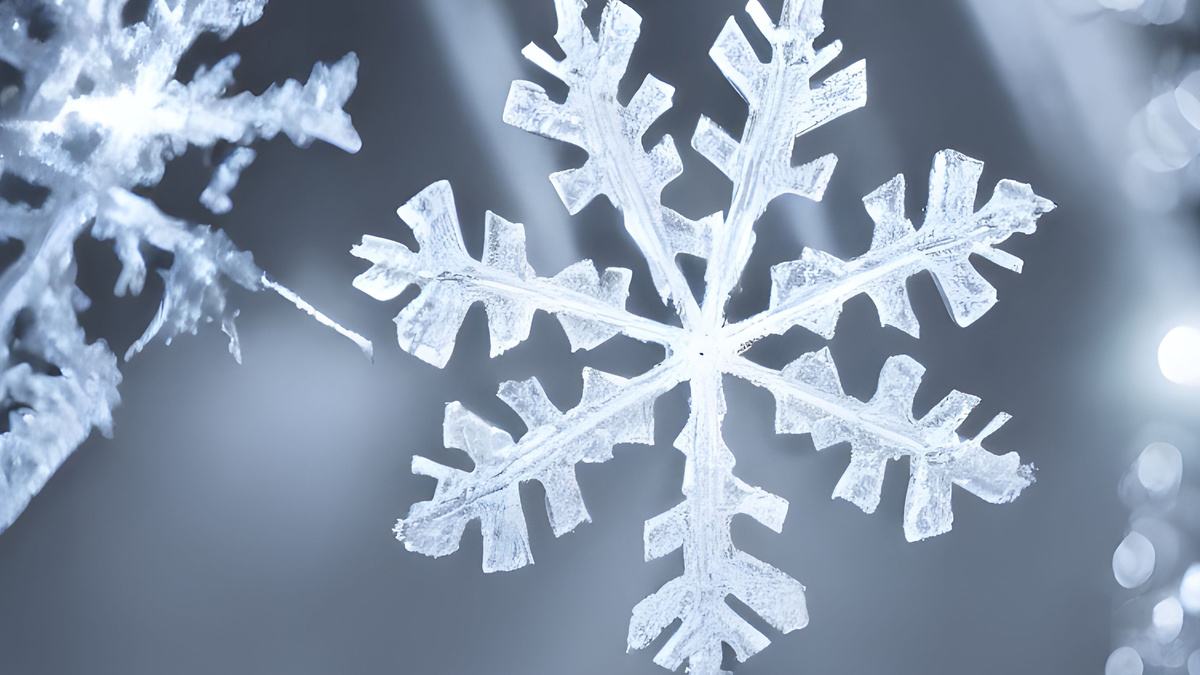
Diy Snowflake Microscopy: How to View Crystals and Create Permanent Snowflake Fossils
For more than a century, documenting ice crystals meant racing against thermodynamics. In 1885, Vermont farmer Wilson Bentley attached a bellows camera to a microscope, braving sub-zero blizzards to produce over 5,000 photomicrographs. Bentley used a feather to move flakes onto chilled glass and held his breath to prevent warm air currents from degrading the specimens. While Bentley's work established the foundation of macro photography for snow, the crystals themselves vanished within moments.
The modern superglue preservation method solves the longevity problem through chemical replica casting. Pioneered in primitive form by atmospheric scientist Vincent Schaefer in the 1940s using polyvinyl formal resins (Formvar), the technique was later refined using consumer ethyl cyanoacrylate. Liquid superglue polymerizes rapidly when it contacts trace moisture. Because ice always carries a quasi-liquid layer of mobile water molecules on its surface, placing a drop of chilled superglue over a snowflake locks the structural shell in place.