Do California Teens Really Need Booster Seats Until Age 16? the Truth Behind the Viral Mandate Rumor
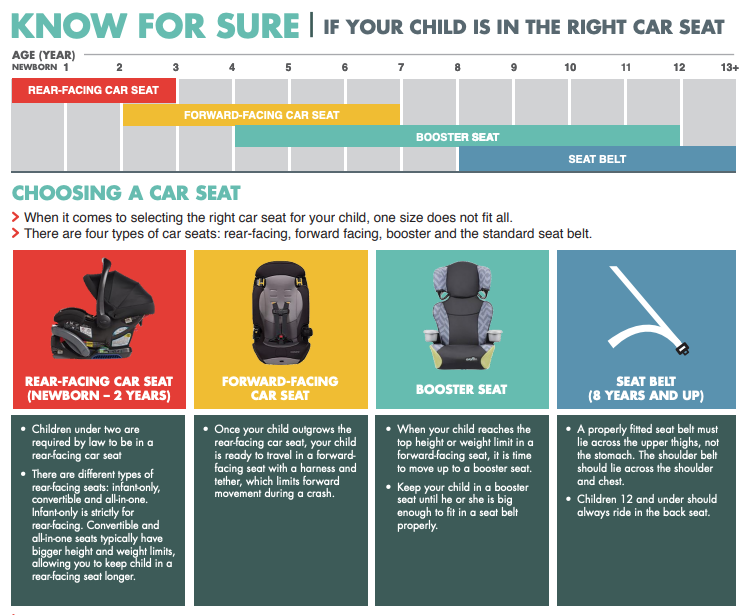
The gap between statutory rules and clinical safety guidelines stems from human anatomy. Vehicle seat belts are designed for an average adult male body, not an 8-year-old skeleton. When a child transitions out of a booster too early, the seat belt rests across soft tissue instead of bone. In a 35-mph collision, this positioning can cause severe internal organ damage and spinal fractures, a pattern of trauma doctors call "seat belt syndrome."
The National Highway Traffic Safety Administration (NHTSA child restraint guidelines) advises against graduating a child to a standard vehicle belt until they pass the five-step seat belt test:
- Back against the seat: The child sits completely upright with their back and spine flat against the vehicle seatback.
- Knees bend at the edge: The child's knees bend naturally over the front edge of the seat cushion without slouching forward.
- Lap belt low and snug: The lap belt rests low across the upper thighs and strong hip bones, never riding up onto the soft stomach.
- Shoulder belt centered: The shoulder strap crosses diagonally across the center of the chest and collarbone, without cutting into the neck or slipping off the shoulder.
- Position held throughout the ride: The child can stay seated like this comfortably for the entire trip without slouching, sliding down, or tucking the shoulder strap behind their back.
Children rarely clear all five steps right when they turn 8. Most boys and girls do not achieve the anatomical proportions needed to pass the test until they reach a height between 4 feet 9 inches and 4 feet 11 inches, which usually occurs between ages 9 and 12. While transitioning an 8-year-old directly into an adult belt is legal in California, it is not always safe if the belt does not fit properly.