
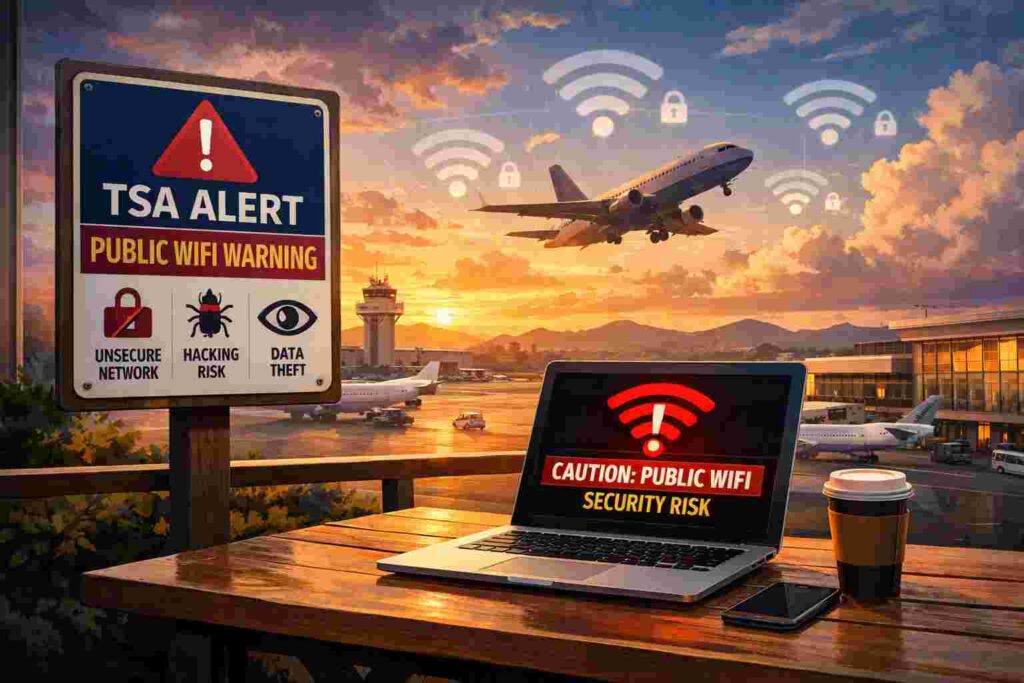
Fact Check: Is Free Airport Wi-Fi Actually Too Dangerous to Use Now?
Defending mobile devices in airport terminals does not require complete digital isolation. Making a few quick adjustments to basic smartphone network settings neutralizes the vast majority of threats flagged in federal advisories.
The most dangerous setting on both iOS and Android is network auto-join. When this feature remains active, your phone constantly searches for recognized SSIDs. If you previously connected to a generic network named "Guest Wi-Fi" at a hotel or coffee shop, your device will automatically link to any malicious router broadcasting that identical name at the gate. Turn off "Ask to Join Networks" and disable "Auto-Join" on public profiles. This ensures that every network handshake requires manual user consent.
Next, restrict local device discovery. On Apple devices, configure AirDrop to "Receiving Off" or restrict it strictly to contacts. On Android, turn off Nearby Share and Quick Share visibility. These local subnet discovery tools broadcast hardware identifiers that allow threat actors to catalog device types and target unpatched operating system vulnerabilities.
When public internet access is necessary, run traffic through a paid virtual private network (VPN). A VPN wraps all outbound device communications inside an encrypted tunnel before it reaches the local router, shielding DNS lookups, masking traffic destinations, and rendering local man-in-the-middle attacks ineffective.


