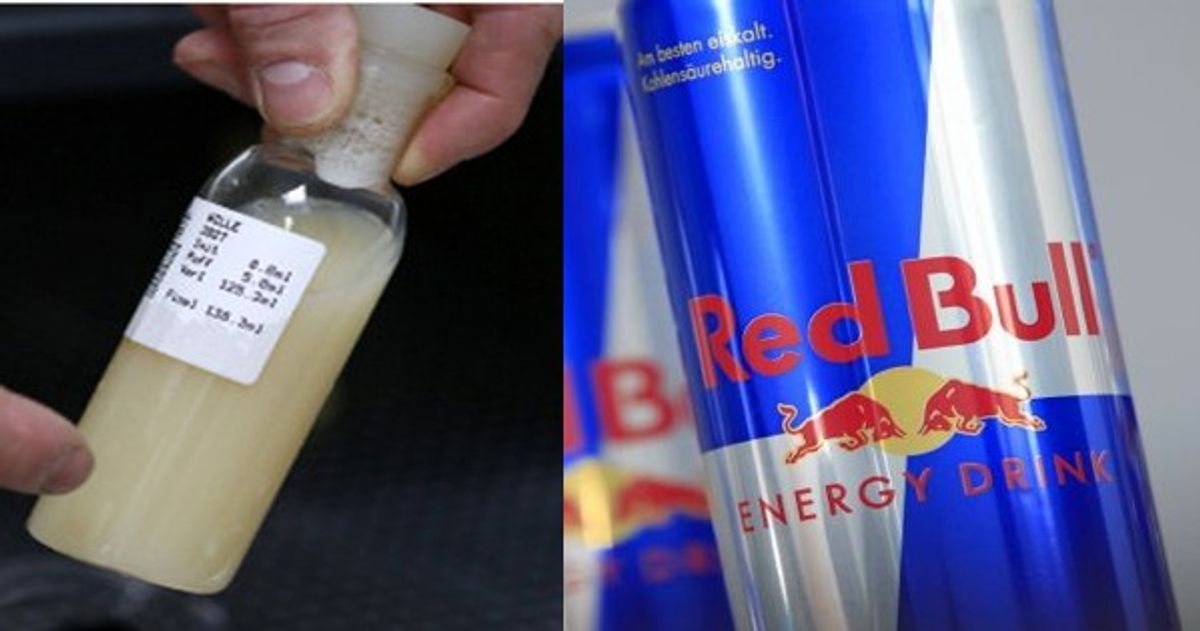
From 19Th-Century Science to Viral Hoax: the History of the Red Bull Rumor
The entire conspiracy rests on an event that occurred almost two centuries ago in a German laboratory. In 1827, anatomist Friedrich Tiedemann and chemist Leopold Gmelin were investigating digestion when they isolated a crystalline substance from the bile of an ox (Bos taurus). Eleven years later, researchers coined the name taurine, directly borrowing from the Latin root for bull or ox.
Taurine is an amino sulfonic acid. Unlike the standard amino acids that string together to build proteins, taurine exists freely throughout animal tissues. It plays a foundational role in bile salt formation, cellular hydration, central nervous system regulation, and cardiovascular function. The human body naturally produces it in the liver and brain, and infants consume large concentrations of it through maternal breast milk.
Because the compound was first identified in isolated bovine bile, mid-19th-century scientific literature inextricably linked taurine to cattle. When commercial energy drinks entered Western culture during the late 20th century proudly listing taurine on their silver-and-blue aluminum cans, whisper networks filled in the blanks. Decades of playground telephone converted "isolated from ox bile in 1827" into "harvested from living bulls today." From there, the jump from bile to reproductive fluid was an easy leap for sensationalist gossip.