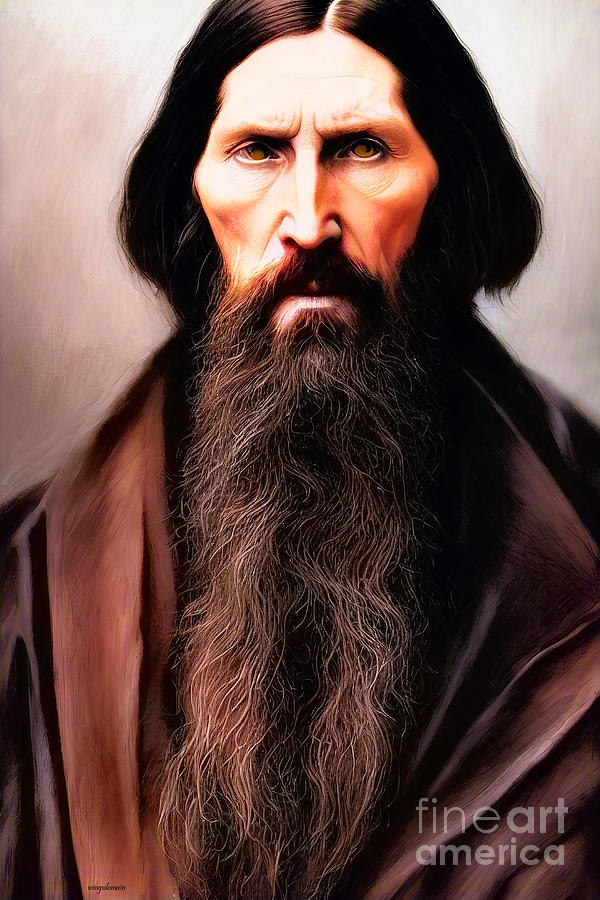
Holy Man or Heretic? the Dark Truth Behind Rasputin's Religious Cult
Rasputin never held an official title, yet his spiritual authority exerted enormous political leverage. During World War I, when Tsar Nicholas II departed for the military front at Mogilev in August 1915, internal governance fell squarely to Tsarina Alexandra. Guided by what she believed were Rasputin’s prophetic insights, Alexandra orchestrated what contemporaries called "ministerial leapfrog," dismissing competent prime ministers, war ministers, and church procurators in rapid succession.
Ministers who questioned Rasputin found their careers cut short. Those who showed him deference were promoted to key government portfolios. Metropolitan Pitirim of Petrograd owed his ecclesiastical advancement almost entirely to Rasputin’s favor. This court dynamic alienated the Russian aristocracy, enraged the State Duma, and undermined the public legitimacy of the Russian Orthodox Church. The general public saw the imperial government as held hostage by a depraved peasant, accelerating the revolutionary crisis that erupted in February 1917.