Is an Axolotl an Amphibian? the Bizarre Biology Behind the Creature That Refuses to Grow Up
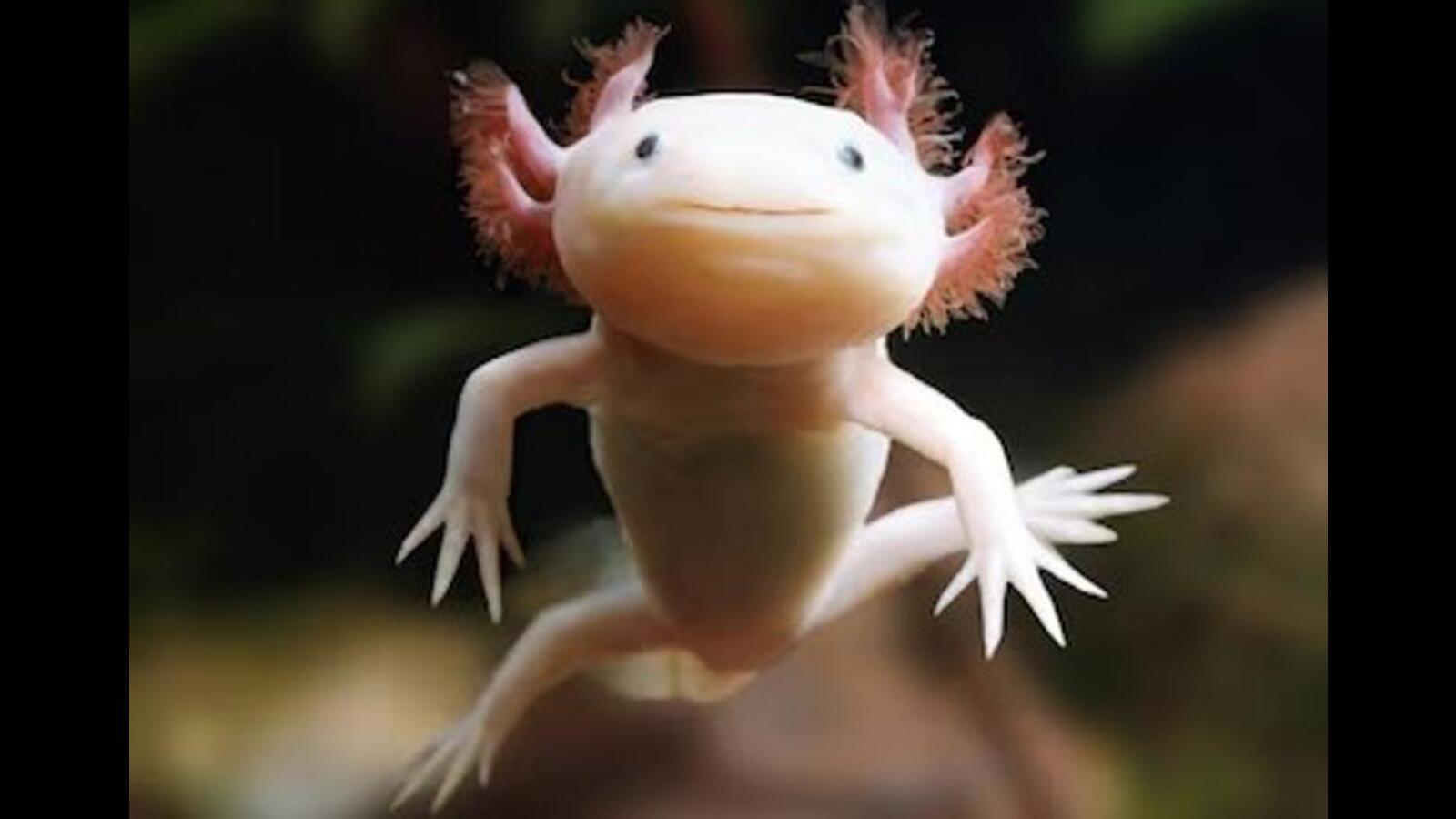
While commercial breeding facilities and university laboratories support tens of thousands of captive specimens worldwide, wild axolotls are on the brink of extinction. The species is historically endemic to two high-altitude bodies of water in central Mexico: Lake Chalco and Lake Xochimilco. Massive urban drainage projects throughout the twentieth century eliminated Lake Chalco entirely and reduced Lake Xochimilco to an fragmented network of agricultural canals.
Field surveys show a catastrophic demographic drop. In 1998, researchers estimated population densities of roughly 6,000 individuals per square kilometer across the canals. By 2008, that figure had plunged to 100 individuals per square kilometer. Recent tallies conducted by the National Autonomous University of Mexico (UNAM) indicate wild densities falling below 30 individuals per square kilometer, with some survey cycles failing to capture a single wild specimen in open water.
The threats are structural:
- Untreated urban wastewater and agricultural fertilizers degrade water chemistry, stripping the canals of oxygen.
- The deliberate introduction of invasive predatory fish, specifically African tilapia and Asian carp, decimated larval populations.
- Heavy motorboat traffic along commercial tourism routes fragments submerged vegetation where females deposit clutches of eggs.
Conservation biologists are building chinampa-refugios, traditional floating agricultural islands fitted with specialized mesh barriers that keep out predatory carp while filtering agricultural runoff. Saving the wild axolotl requires reviving the ancestral hydrologic networks of the Valley of Mexico, proving that preserving an evolutionary outlier depends on repairing the fractured ecosystem that shaped it.