
The Rise of 500 Mbps Fiber Plans: Why Mid-Tier Broadband Is Becoming the Gold Standard
To understand whether 500 Mbps qualifies as fast, look at what popular digital services actually consume. Netflix recommends 15 to 25 Mbps for a single 4K Ultra HD stream. High-definition Zoom or Microsoft Teams video calls require between 2.5 and 4 Mbps for symmetrical transmission. Cloud backups, background software patches, and smart home sensors operate in tiny, intermittent bursts.
If four family members simultaneously stream 4K video on separate displays while another downloads a console game patch, the household consumes roughly 120 to 160 Mbps of total bandwidth. A 500 Mbps plan absorbs that entire concurrent workload with more than 300 Mbps of unused headroom remaining. Unless an individual routinely transfers massive raw media files to remote servers, household usage rarely saturates a half-gigabit pipe.
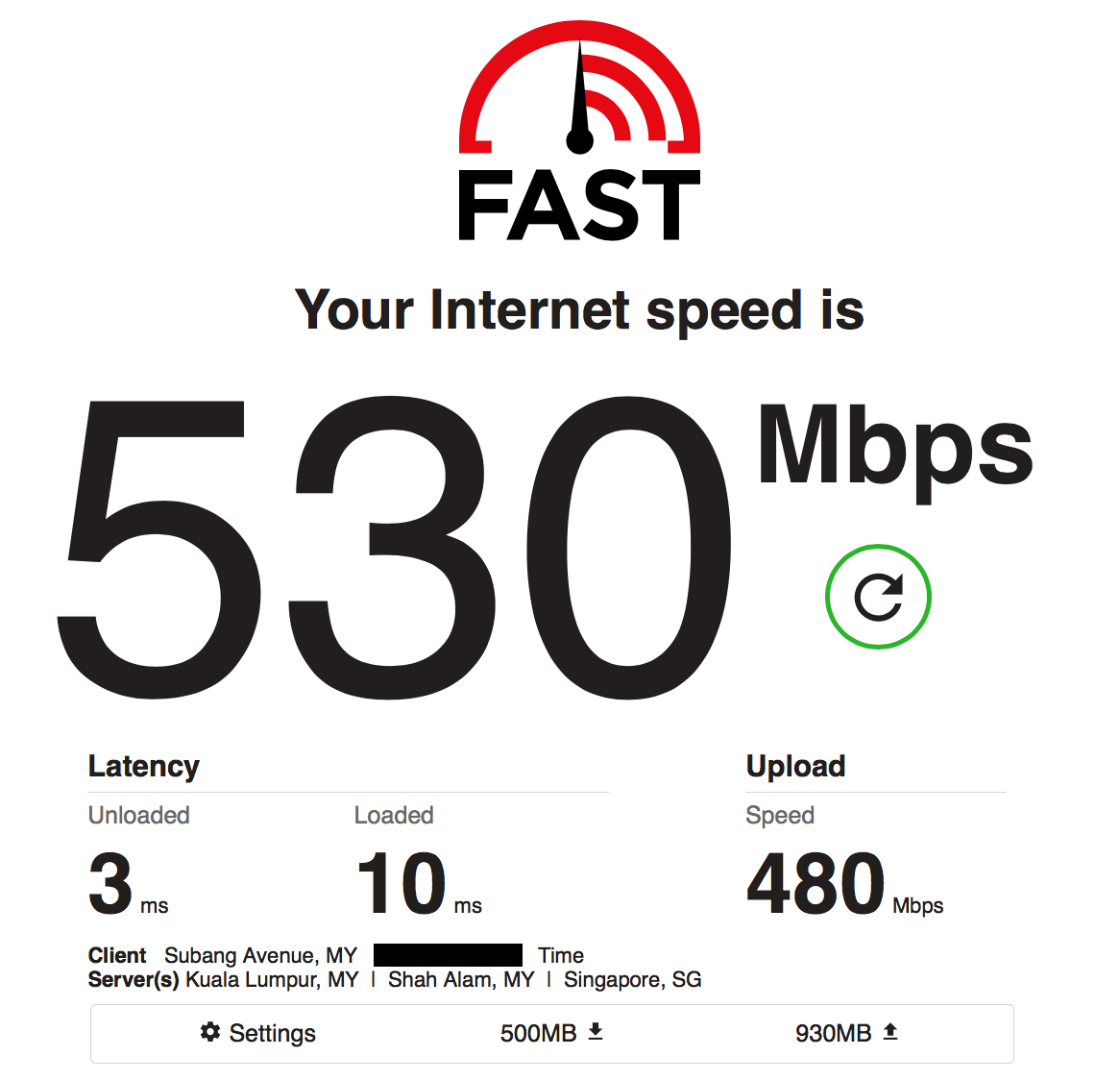
The distinction between download speed and upload speed dictates how that bandwidth feels. On legacy coaxial cable networks, an advertised 500 Mbps download speed often comes paired with an anemic upload speed of 20 to 35 Mbps. That asymmetry creates immediate friction when two people attempt high-bitrate video calls while cloud photo backups run in the background. On symmetrical fiber broadband, users receive 500 Mbps in both directions, completely removing upload bottlenecks.


